A Guide To Insurance And Registration For Kit Cars And Replicas
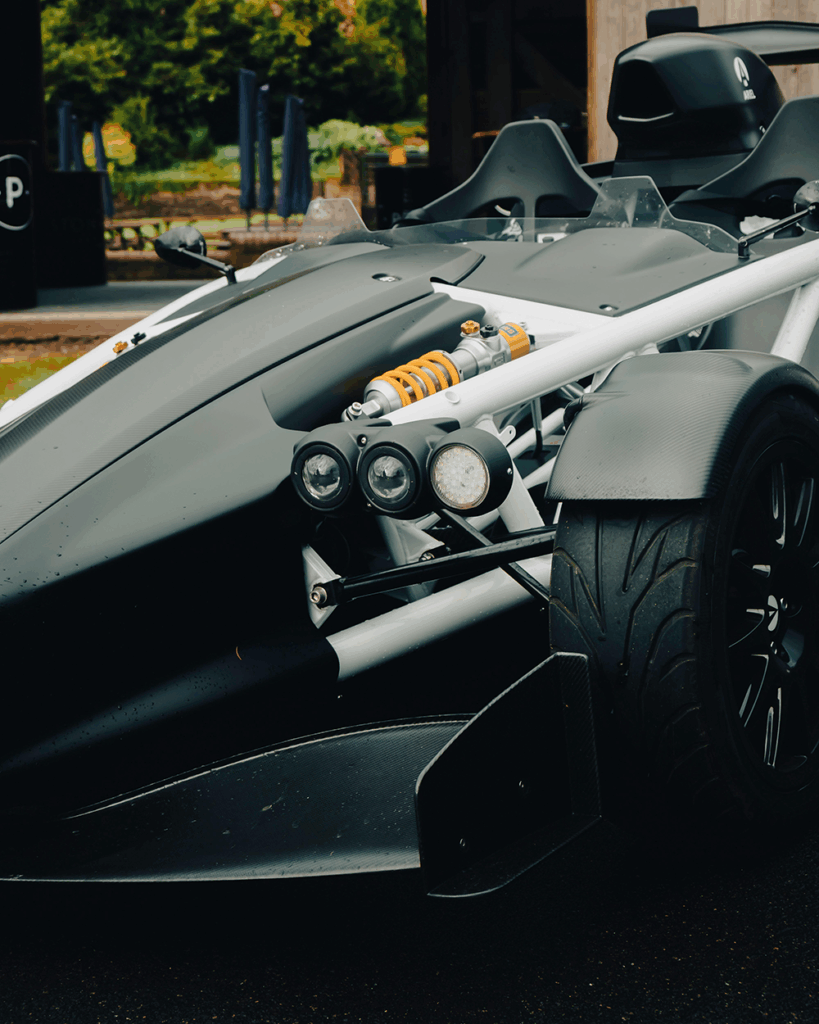
Kit cars and replicas are becoming increasingly popular option for car enthusiasts. Among the many reasons are the ability to have a unique car, a replica of a dream car or just something that performs really well without all of the modern nannies, weight, and unneeded luxury.
However, building or buying a kit car or replica, then getting it insured and registered, can be a lot less straight forward than dealing with a typical car purchase. Even if you already have collector car insurance, your carrier may not take your kit or replica car depending on what it is and how it was built. Registration and titling, including short or state assigned VINs. may also be a challenge for some carriers and agents.
Worse, there is also a lot of misinformation, or occasionally even outright bad advice, online about the titling and registration process. This may even come from people you’d expect to know the right answers. Dealers, builders, and even some insurance agents too often just “find a way” to get these vehicles covered. Also, often the advice is from someone located in a different state than you, with little to no idea of what is going to be necessary to properly cover and register your vehicle in your particular state. Many turn to Montana and Washington registrations to streamline the process, but fail to account for how this impacts insurance.
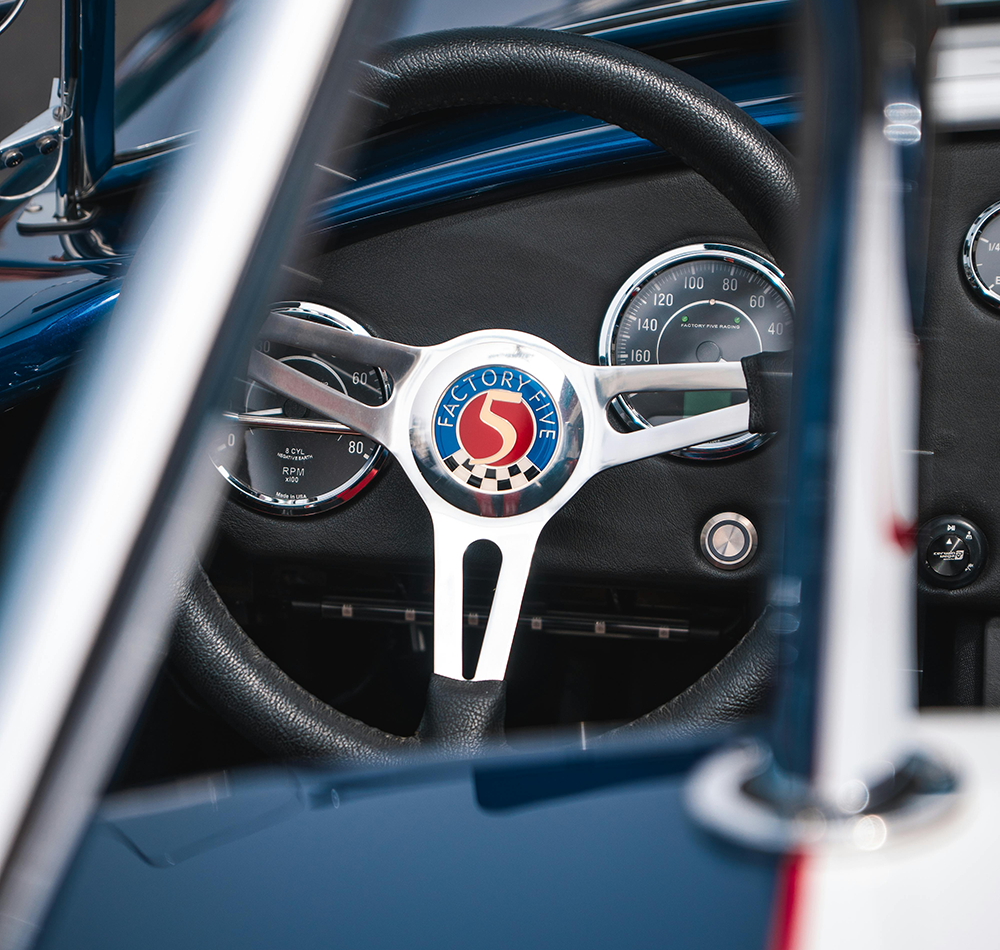
In this blog post we’re going to hit on these topics as they specifically relate to kit cars and replicas – from Ariel Atoms to Exocets. Factory Fives to Caterhams and much more. While there maybe similarities that all of these considered kits or replicas, they may have VASTLY different approaches to insurance and registration depending on the kit and the state of registration.
Our goal with this blog post, as with all of them, isn’t to provide a step by step guide or direct insurance advice. But rather, to help you come up with questions to ask and think about before taking the plunge on one of these cars (or even trucks now).
But if there is one thing we want you to take away from any insurance post: Everyone’s insurance situation is a lot more unique than they think, and most states have slight variations to their registration process. Making assumptions based on other peoples situations can lead to challenges. Whatever you do before you get a kit or replica vehicle explore your specific insurance situation before committing. We’d also recommend finding out what your specific states registration process is and if you ask for experiences, get experiences in your state and take those in other jurisdictions with a grain of salt.
Insurance Or Registration First?
A common question we get asked is, do I need to get insurance first or register the car? And many people think they know the answer, you have to typically have insurance before you can register the car right? In most states, yes, though there are a number that will allow you to register a car without proof of insurance at the time of registration. But this is really the wrong question.
The first thing you’ll need to figure out is how to get a VIN or what your VIN should be. You also will likely need to know what your car is titled as to complete the insurance process.
MSO or MCO For Kit Cars
Many newly built kit cars come with a MSO (also sometimes known as an MCO) – manufacturers statement of original, or manufacturers certificate of origin. This is the document from the builder or manufacturer, including country of origin, make, model, etc. While every car (and even things like trailers) have an MSO or MCO, you typically don’t see it as the form is filed by the new car dealer.
With most kit or replica cars (which are usually just a “type” of kit), this is what you’ll get. Whether it’s donor based, like Exocet, or a professional built kit using an engineered chassis like a Factory Five.
As a short cut many donor based kit owners, particularly those that home build, will use the donor cars VIN to register it. Whether this is legal is beyond the scope of the article, we can definitely tell you that you may run into issues with insurance and law enforcement with this approach. As a general rule of thumb we recommend doing the work to get your car properly registered using the MSO/MCO of the kit and finding the right insurance to go with it.
State Assigned VIN And Inspection
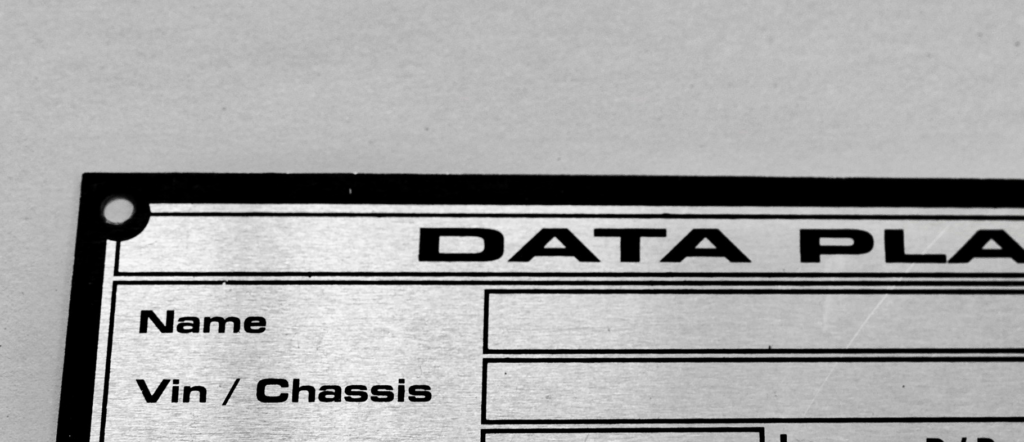
Typically for kit and replica cars you’ll get what is known as a state assigned VIN. These state assigned VINs as designed for exactly your situation – vehicles that are constructed and are not assigned an VIN from the manufacturer.
In many states and situations these VINs will also not be 17 digits. We’ll discuss the impacts on insurance a little later, but most insurance companies cannot easily handle short VINs.
The process to get the vehicle inspected and get a state assigned VIN can vary by state. However, in MOST states it’s similar or the same as a rebuilt title process. Though it may have a variety of names – from California’s “Special Construction Vehicle” to Georgia’s “Assembled and Unconventional Vehicles”.
Typically this involves having the vehicle inspected, usually by state certified inspectors – whether licensed third parties or by agents of the state itself – along with the required forms – typically the MSO needed for registration.
But you are probably not yet ready for registration. You’ll typically need to go to the DMV with your completed paperwork. You will be assigned a VIN by the state. In some states you may also be sent a title based off of the process. Certain states can generate the VIN immediately because it’s based on the MSO/chassis number, or just an incrementing number. Others will process the request and mail you a VIN and title.
Of course, you probably can’t registered the same day because you’ve probably figured out by calling your insurance agent – you can’t get insurance without a VIN.
Donor Car VIN
As we mentioned briefly, while using your Donor car VIN (for kits based on donor vehicles/chassis) can speed this process substantially, even outright bypassing it, there is a possibility you could have issues both legally and with insurance claims if not handled correctly. While some carriers will accept a kit car using a donor VIN, and insure it properly, if you call your traditional carrier and tell them it’s still a Miata or just continue your insurance but convert it to an Exocet for example, you may be in for a surprise if you have a claim. We do not recommend this approach, even though it may be a lot easier if you carrier does not know it’s a kit car. Same with the your registration.
Insurance For Kit Car And Replicas
What you probably found out right after being told you can’t register yet because you don’t have insurance, but got a VIN, is that your insurance carrier or agent may still not be able to help you because the VIN you received is short or doesn’t decode to a known make and model.
The good news is, there are a number of both specialty and even mainstream carries that will accept kit cars and replicas, even if they have short or non-standard VINs. However, not every kit car is the same and just because an insurance company accepted someone else’s kit car does not ensure they will insure your kit car. Insurance options will also frequently vary by state. Some states, particularly those on the coasts like Florida or California, the carriers may have a different set of acceptance criteria and underwriting standards. So just because someone got insured in Idaho by carrier X, doesn’t necessarily mean you will have the same options in say California or Florida.
Professionally Built Kits Are Typically Easier To Insure Than Home Built Kits
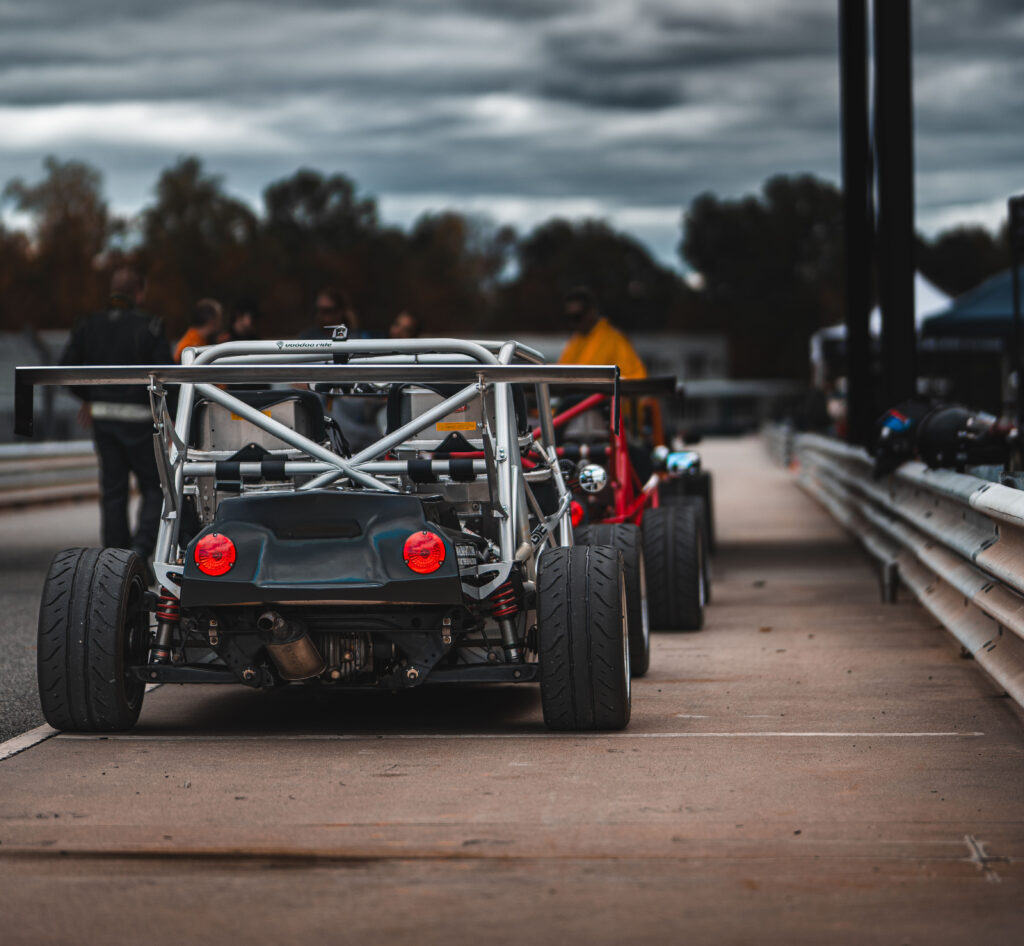
Typically, professionally built kits from well known kit manufacturers are easier to insure than home built kits. This is true of both traditional insurance carriers AND specialty insurers like collectors companies. Also, replicas are typically easier to get covered than open wheel or frame kits.
While home built kits have the advantage of you being engaged in the process, we’d definitely recommend exploring the insurance options available to you. This is particularly true in states like California, Florida or North Carolina where insurance options may be more limited.
If you do have to with a specialty or collector carrier, they may have other requirements like not being a daily driver, garage storage (depending on the value, state and carrier) or may limits acceptance to certain well known kits.
Cars Are Typically Easier to Cover Than Trucks, Buggies And Off Road Vehicles
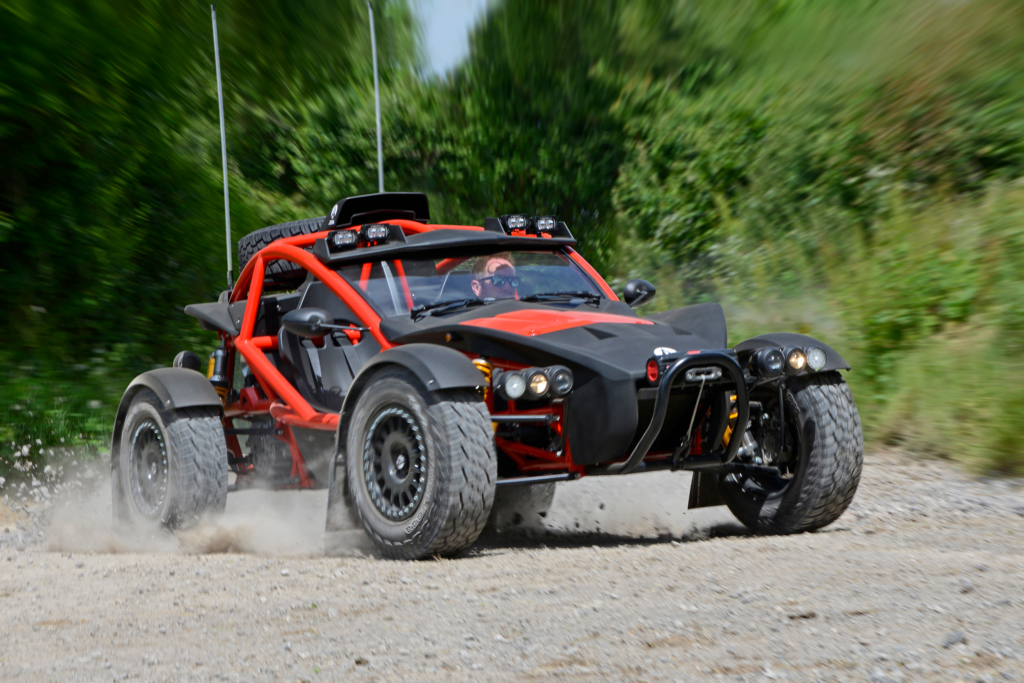
Ariel Nomad 2 – Picture courtesy of Ariel North America
Much like home built vehicles can be more difficult to insure, the higher loss ratios and high risk for injury claims may limit the options available to kit vehicles that are trucks, look like off road vehicles or are sand or dune buggies. While
Where To Find Insurance For Kit Cars
There are two typically approaches with kit cars, knowing what we discussed above, which is that not all kit cars are created equal from an insurance standpoint.
Traditional Carrier Options (i.e. Progressive, Geico, State Farm, USAA)
Note: These carrier names are listed as examples of “traditional” insurance carriers, and not intended to be reflective of their potential acceptance of kit cars.
For many the easiest way to get insurance for their kit can is to simply call their existing insurance carrier or agent, and add the kit car. For high quality, well known and professionally built replicas or well informed agents, it might just be that easy.
Unfortunately, in many cases it may not be. First, you many mainstream carriers are known to not accept or even non-renew kit vehicles that do not meet build or appetite standards. So just because someone else did it or your agent says, “oh sure, they said they take kits” does not mean you won’t have an issue.
Specialty Carriers (i.e. Collector Car insurance)
Another common route to take is through collector car insurance. Replica and kit cars often qualify as collector vehicles. However, not all collector car companies will take all kit vehicles. Homebuilt or assembled kits, those with lots of open panels or more unknown kits can be challenging.
Ariel Atoms and Exocets in particularly are commonly turned away by collector companies because they are “too open”, “don’t hold their value” or “too race car” – among other reasons we’ve seen them get declined.
Also, specialty insurance and collector car insurance carriers often have acceptance standards. If you or people in your household have a lot of claims, live in an apartment complex or want to daily drive your kit car – you may be unable to obtain insurance through a specialty carrier and if no traditional carrier will take your kit vehicle you may find yourself in a situation where you are unable to get the vehicle covered. Also note in states like California and Florida, specialty carriers often require garaging which may further reduce the options available to you.
Additionally, high performance kit cars – those with high horsepower, track or racing usage may only be of interest to particular specialty carriers.
Of course, despite the acceptance limitations, if you can get your kit car or replica covered by a collector or specialty carrier it may be a better way to go. Not only are they often cheaper than traditional insurance because they are designed for vehicles used less, they are typically agreed value.
With agreed value you’ll know exactly what your kit or replica vehicles is worth if you had a loss. They also typically will allow you to use your own repair shop, which is probably ideal for something as unique as a kit or replica vehicle. Lastly, they’ll also often help you with a claim even if it’s the other parties fault, where you may find their adjustors are not familiar with your kit or replica, how to value it or how to ensure it gets repaired properly.
Insurance On Donor VINs
This is also an unfortunate reason many people choose to use the donor VIN. They assume they can’t get insurance without it, or it is easier to get insurance. While it may be true, there are certainly some issues with this approach. Many will say it worked fine because they never had a claim, but there is a risk you could be canceled/non-renewed, dropped or worse, have a claim outright denied. Also, in some states it’s outright illegal to do this and you could be subject to legal issues if you take this approach.
Bottom line, unless your DMV assigns your donor VIN to your kit or replica, and your insurance company knows is a donor VIN on a kit or replica, we do not advise this approach as a way to bypass some of the process.
Wrapping Up On Insurance
Bottom line – we HIGHLY recommend you explore the insurance options available and challenges you may run into before buying or building a kit car.
Also, you’ll need your VIN – typically stated assigned unless transferring the title from another state – established before getting insurance. However, we recommend exploring and considering your insurance options BEFORE even purchasing your kit car.
Registering Your Kit Or Replica
Hopefully after the MSO/MCO, the kit is built, the vehicle is inspected, the VIN is assigned and you’ve obtained insurance, you can finally register your vehicle and enjoy your kit car.
If you didn’t read it all, here are the cliff notes. Of course, it will vary by state.
- Select or buy your kit car – AFTER doing research
- Get an MSO or MCO for your kit
- Get your kit inspected and fill out the proper forms
- Get a VIN assigned
- Get insurance
- Get it registered
- Go Drive!
Unless you can’t.
What If I Can’t Get My Kit Or Replica Registered In My State?
If everything described above seems like a lot, it’s probably because it is. And even if you get insurance, none of this still guarantees you can get registered. Though usually you’ll know it’s an issue during the inspection stage.
One common thing we’ve seen recommended lately is to consider registering the vehicle in a state that does not require inspections, such as Montana. This is certainly an option, and one that we’ve heard has been used successfully. Also, most of the specialty insurers we mention above will typically insure this situation as long as they for personal use and meet their other acceptance criteria. However, there could be legal ramifications in your state from going this route, so we recommend exploring this option as a last resort.
Also, keep in mind that many of the states where you can do this may have higher insurance rates than your home state. So if you are looking at this approach as a way to “save money”, you may be surprised to find it’s not that great of a bargin.
Informational Purposes Only
Every insurance blog post, including ours, always has a disclaimer. Always read your policy carefully. Despite this warning, so many people fail to do this. Just like Software License Agreements and Terms of Service, people tend to breeze through these legal contracts with little regard for what’s included. It’s pretty typical, but the risk of doing so is more than just the possibility of disappointment, it could cost you money. Lots of money.
Of course, we have to say it – what is or what is not covered is defined by your policy, not by what you read on the internet, heard in the paddock or were told by a friend who also has a kit car. Our goal here isn’t to give you list of what is or isn’t possible with your insurance carrier or agent, just to give you some things to think about as you consider buying, building or assembling a kit or replica car. We hope you’ll use these topics to ask questions and engage the help of licensed insurance professionals to get questions about your specific situation answered.
